Key Characteristics of a Fine Dining Experience
Simply put, fine dining represents a commitment to excellence across every aspect of the dining experience, and not just about expensive meals or a formal setting.
There are three main aspects of a fine dining experience. They are food, service, and environment.
- Food (Culinary Mastery): Great taste is the bare minimum when it comes to culinary mastery. Above taste, it also has a lot to do with technique, creativity and precision. That is, the chef uses high quality and carefully sourced ingredients, carefully crafts dishes with utmost precision to ensure great texture and flavour. Presentation is also a key part. That is serving the food in a visually appealing way.
- Impeccable Service: Service in fine dining is all about professionalism, competence and politeness. Staff are trained enough to guide diners through menus and then be of service without being intrusive or making guests feel uncomfortable. Timing is also a crucial part of service.
- Environment (Refined Ambiance): The focus here is creating a serene, elegant and sophisticated atmosphere. This has to do with space, interior design, lighting, music, etc.
- Tasting Menus: Tasting menus are also a defining feature of many fine dining establishments. Here’s what it entails: rather than ordering individual dishes, diners are guided through a sequence of carefully curated courses, each designed to showcase the chef’s creativity, technique, and philosophy.
The British Fine Dining Experience
Now, what does fine dining mean in a British context? At the very basis, it also represents the same commitment to excellence. However, this is a distinct identity that is influenced by tradition, structure, and evolving culinary influences. In other words, there are a number of elements that distinguish British fine dining from more casual or even other international dining styles.
Some of the key elements of British fine dining include:
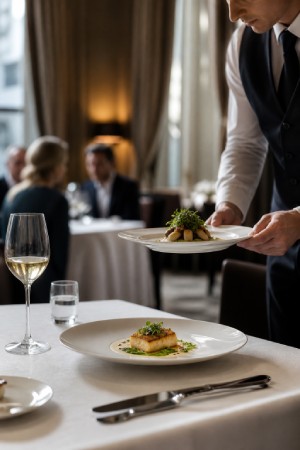
Seasonal and Locally Sourced Ingredients
One of the most defining features of British fine dining is the emphasis on seasonal and locally sourced ingredients. British chefs often work closely with local farmers, fisheries, and producers to ensure freshness and authenticity.
Balance Between Tradition and Innovation
Another important element is the balance between tradition and innovation. While British fine dining still draws from long-standing culinary practices and classic dishes, it continuously evolves. Chefs, every now and then, reinterpret traditional recipes using modern techniques.
Influence of Multicultural Cuisine
There is also a strong influence of multicultural cuisine. The UK’s diverse population has introduced a wide range of global flavours and techniques into its fine dining scene. This has created a modern British identity that is open, experimental, and globally relevant.
Strong Connection to Etiquette
One very noticeable aspect of British fine dining is its strong connection to etiquette. For example, traditional dining manners, such as proper cutlery usage and table behaviour, still play a role in shaping both service and presentation.
The Michelin Star System
Equally important is the influence of the Michelin star system, which serves as a benchmark for quality and consistency. Restaurants are rated from one to three stars based on their cooking standards, and this system plays a major role in shaping expectations within British fine dining.
Understanding Michelin Stars and Their Importance
Michelin stars are one of the most respected and widely recognised indicators of quality in the fine dining world. Restaurants can be awarded up to three Michelin stars, and each level represents a different standard of excellence.
- One Star: It signifies high-quality cooking and the restaurant is considered worth a stop.
- Two Stars: These restaurants demonstrate refined techniques and strong consistency. They are also considered to have excellent cooking, which is worth going out of your way for.
- Three Stars: The restaurant provides exceptional cuisine that is worth making a special journey for. This is the highest level, and it is reserved for restaurants that deliver an outstanding and often unforgettable dining experience.
To evaluate, Michelin inspectors visit the restaurant or dining anonymously and assess them based on several key factors. These include:
- The quality of ingredients
- Mastery of cooking techniques
- The balance of flavours
- Consistency across the menu
- The overall expression of the chef’s style
These criteria focus almost entirely on the food itself, rather than décor or service, although those elements still contribute to the overall experience.
Brief History and Evolution of Fine Dining in the UK
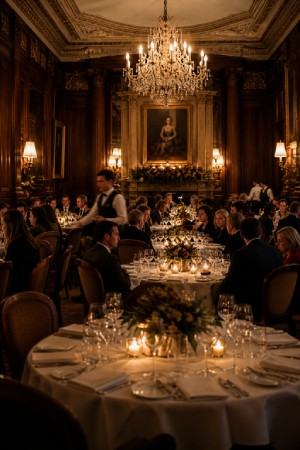
The origin of fine dining in the UK can be traced back to traditional British dining customs. In earlier centuries, meals, especially among the upper class, were formal and structured. They are also often served in multiple courses with clear rules around presentation and etiquette. The influence of that dining culture played a major role in shaping dining practices today.
There’s, however, also a touch of European influence in what we have today. Most notably, the introduction of French culinary techniques, as French cuisine is also known for its precision and structure, particularly in professional kitchens. It was also at this time when French Cuisines were incorporated that professional kitchens got more popular. At this time, cooking became more specialised, with clearly defined roles and higher expectations for consistency and technique. These changes also further laid the foundation for modern fine dining. It helped move it from just being a tradition into a more disciplined and skill-driven practice.
In more recent decades, British fine dining has undergone more transformation and has shifted towards global recognition and respect. A great part of this shift can be traced to a new generation of chefs who have redefined what British cuisine can be. These chefs now combine traditional British ingredients with contemporary methods and global influences. And so, they have created a more dynamic and exciting dining scene.
Right now, the UK enjoys a growing international reputation for fine dining. Its restaurants are celebrated not only for their quality but also for their creativity and ability to evolve. All these have made British fine dining one of the most respected culinary movements in the world today.
Notable Fine Dining Regions in the UK
Below are three of the most notable fine dining regions in the UK:
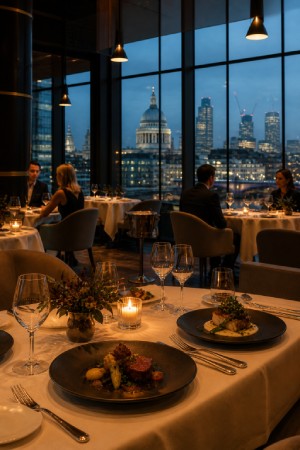
London
As the capital city, London is always at the forefront of many things. And the UK fine dining scene is included. The city is home to the highest concentration of Michelin-starred restaurants, which makes it the primary destination for world-class dining experiences.
One of London’s biggest strengths is its diversity. The city brings together chefs and culinary influences from around the world. And so, that creates a fine dining experience that’s beyond just what traditional British fine dining entails. Instead, diners can get to have a global experience. That is modern British cuisine, and dishes inspired by Asian, European, and Middle Eastern traditions.
North England
This covers areas like cities like Manchester, Liverpool, Newcastle, Leeds, Sheffield, etc. While North England may not yet match London in terms of volume, it has gained recognition for its authenticity and strong sense of identity. Restaurants in this region often focus on local produce and regional flavours. That is, ingredients sourced from nearby farms and countryside.
There is also a growing number of talented chefs bringing fresh ideas and modern techniques to the region. As a result, North England is also seen as an emerging culinary destination.
Scotland
Scotland is known for its rich natural resources, including fresh seafood, game, and foraged ingredients, all of which play a central role in its cuisine. And so, chefs in Scotland often build their menus around these natural elements. Their strong emphasis on high-quality ingredients allows the natural flavours to stand out, while modern techniques enhance presentation and execution.
At the same time, Scotland maintains a unique culinary heritage, which also mixes carefully with contemporary approaches. This balance between tradition and innovation gives Scottish fine dining a distinctive identity.
A Final Taste of Britain’s Dining Culture
Fine dining in the UK embodies the British tradition of food, hospitality, and refinement, while also reflecting a modern identity shaped by innovation and global influence. It is an experience built on precision, elegance, and a deep respect for both ingredients and technique.
British Fine Dining Insights is your gateway into this world. Whether you are a curious reader, an aspiring foodie, or a traveler seeking unforgettable experiences, this platform is designed to guide you through the richness and complexity of fine dining in the UK.
Friends & Supporters