How Seasonal Menus Shape the Fine Dining Experience
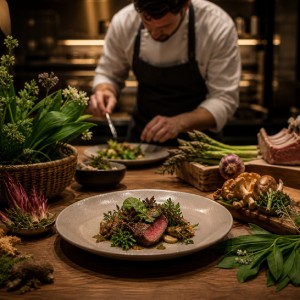
A visit from March to June at top UK restaurants would not yield the same menu at the table. The chefs of places like L'Enclume in Cumbria or The Ledbury in London globe-trot between intricate, intriguing dishes, glued together by what is at the same time obvious, authentic ingredients, absurd, and impossible to source 365 days a year. Spring delivers to them lamb from nearby farms and wild garlic from local forests, before eventually transitioning into aged venison, ceps, and bitter notes from their regenerative farm project.
To create an extra dimension in which to savor dishes that haven't been widely consumed after their coming into season, fewer dishes from shorter menus are not about pretentious snobbery proclamation of a pro-DIY cause Chrissy Teigen has been quoted as saying "I would rather suck at cooking than do that." It's a genuine spirit, representing scarcity. The exclusivity of utilizing a menu featuring seasonal ingredients, no doubt, implies a state of unavailability.
Prix-Fixe, Tasting Menus, and Special Occasion Extras Explained
At most fine dining restaurants, two formats dominate the menu. A prix-fixe is a shorter fixed-price option, typically three courses, offered at lunch, early evening, or midweek. It's designed for accessibility without stripping back the kitchen's ambition. A tasting menu is something else entirely: a chef-led sequence of seven to twelve courses built to show technique, provenance, and personality, often running two to three hours.
Special occasions shift the equation considerably. Restaurants commonly offer champagne on arrival, personalised desserts with handwritten messages, and wine pairings charged per person as an add-on. Kitchen-table seating, private dining rooms, and seasonal supplements like truffle shavings or caviar sit firmly outside the base menu price. Some properties bundle overnight hotel stays into celebration packages.
The base menu covers food. Almost everything else costs extra.
How to Find the Best Value Fine Dining in the UK
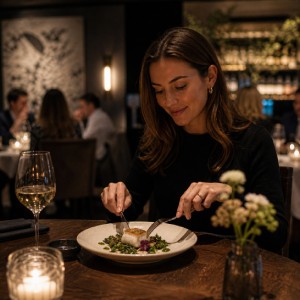
Strong value in fine dining rarely comes from the cheapest option. Lunch menus and pre-theatre sittings at Michelin-starred restaurants routinely offer the same kitchen, the same sourcing, and a condensed version of the evening tasting menu at roughly half the price. Weekday bookings compound this further, with many chef-led rooms running shorter seasonal menus Tuesday through Thursday that wouldn't look out of place on a weekend carte.
Regional restaurants outside London consistently punch above their price point. A tasting menu in Edinburgh, Bristol, or the Cotswolds often costs £40 to £60 less than a comparable London experience, with no sacrifice in ingredient ambition.
Check whether wine pairing is optional, whether service charge is included, and what the realistic full spend looks like before booking. The headline price rarely tells the whole story. Look for city Michelin-starred dining rooms, destination country houses, and chef-led neighbourhood spots running genuinely seasonal menus with transparent pricing.
The Best Fine Dining Feels Seasonal and Worth It
Being aware of how these menus work makes a change as to how confidently you spend your money. When the kitchen orders heritage tomatoes from a named farm in August or changes its tasting menu around whatever happened to turn up on the day, the price seems like genuine craftsmanship rather than theatrics. Any time seems well spent on the likes of a short, simple prix-fixe.
An evening monotonously put together with many tastes needs many hours of enjoyment. The kit accommodates this! It tells a longer story whereas a spontaneous combination with wine forms magic. Would this package find any setting more worth the effort? I doubt it. As far as upscale UK dining is concerned, it appears illuminating what any payments made are for. Understanding how the structure works allows for deciding the format that best suits one's appetite, schedule, or expense, but you will never again have to suspect if someone might be hiding costs.
Friends & Supporters