How Modern British Cuisine Broke From Old Stereotypes
British food became the laughingstock that hardly anybody defended for decades. Boiled vegetables, grey meat, puddings weighed down with suet; once the image stuck, it remained fixed with great tenacity, long after it was no longer entirely true.
The impact of ongoing post-war rationing in Britain, which did not end until 1954, was imprinted on how food ought to be prepared and consumed. Habits of austerity can be hard to shake: basic, plain ingredients, minimal seasoning and a very home-cooked comprehension of the writer's craft.
The change occurred as we ticked over from the 1980s to the 1990s and then sped up drastically. The increase of salaries, travel abroad, a culture-style-oriented restaurant variety all kept the diners from settling themselves at a table and compulsion to envision rather than to lay back. The chefs started to think that dregs and cheese (with a respect for a mature Cheddar – or other soft cheese – or even hand-dived scallops) and the great meal were something irksome: they embraced their own audience and their own colluders.
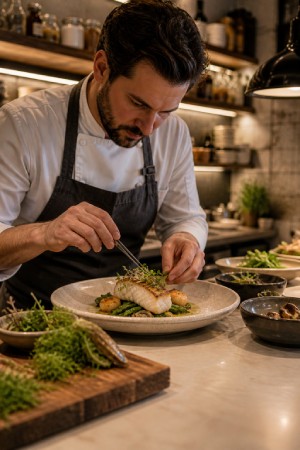
The answer became a genre of food maintaining the classic great British dish but putting more emphasis on lightening up techniques, cleaner presentations, and real seekings onto the history of regional food.
The Chefs Who Shaped British Fine Dining Identity
A handful of individuals genuinely changed what British cooking meant, not just in technique but in confidence. Marco Pierre White was perhaps the first to make that shift feel real. When he earned three Michelin stars at the age of 33 in 1994, he did it cooking food rooted in classical French tradition but with an unmistakably fierce personal identity. British kitchens suddenly had a figurehead who refused to be deferential.
Fergus Henderson took a completely different route. His restaurant St. John, opened in 1994, made offal and unfashionable cuts central rather than apologetic. Nose-to-tail cooking wasn't a stunt; it was an honest argument about waste, tradition, and respect for ingredients.
Heston Blumenthal stretched the idea further still. The Fat Duck drew on British nostalgia – childhood sweets, seaside memories – and rebuilt them through scientific curiosity, proving that national references could be taken seriously on the world stage.
Regional Ingredients and Michelin Recognition Put Britain on the Map
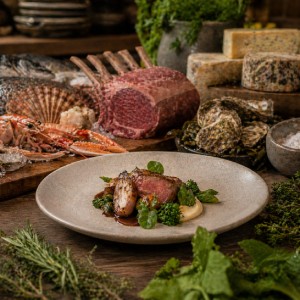
Langoustines from Scotland, Cornish day boats fish, Welsh salt marsh lamb, oysters from Essex-selected especially in native, farmhouse cheeses aged by time from Somerset-are essentials on the menu, not mere details. The best chefs of Britain's fine dining establishment have placed themselves on a pedestal with the way they source items in what one might call almost insidious determination with ingredients being used to put forth the idea of a certain place or moment-not just concerning quality of an item, as quite many other dishes thoughtlessly do-by definition.
Simon Rogan of L'Enclume at Cartmel has on-site farming and growing so he can tailor the food directly to the little Cumbrian valley that allows it. The inspectors were obviously unable to deny the truth of this. Properly taquinos and cooking with understandable British sensibilities brought multiple stars to Fat Duck, Restaurant Gordon Ramsay, and The Ledbury. Michelin waves a nod to the chefs, having said what the chefs had been insisting for years: British Cuisine carries good standing.
British Fine Dining Found Its Own Voice
It cannot be said that the journey up to this point was without protracted endurance, a shift that only emerged out of long decades of historical disruption, postwar austerity, and a slow, sometimes painful realization of what British food could be in reality. Chefs like Marco Pierre White, Heston Blumenthal, and later Clare Smyth drove cuisine away from its French counterparts to something authentically located: Cornish crab, Herdwick lamb, forced Yorkshire rhubarb. The Michelin notoriously recognition following was not readily given; it was achieved due to a concordant insistence that identity trumps borrowed fame. British fine dining doesn't have to beg to be understood according to someplace more foreign-sounding.
Friends & Supporters